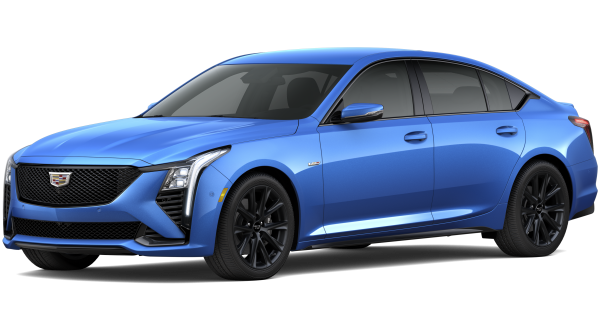
Brake Repair in Weyburn, SK
Today's luxury vehicles feature advanced braking systems that demand expert care. Our certified technicians receive specialized training for these sophisticated components. We maintain and repair your brakes to ensure your vehicle stops with precision and authority. We use only genuine parts engineered to meet your Cadillac's exact specifications. This preserves the responsive feel and performance you expect every time you press the pedal. Our commitment to quality covers everything from routine inspections to comprehensive repairs. We focus on service that ensures your braking system functions flawlessly. Trust our team to protect your vehicle's integrity and your peace of mind.
The Importance of Your Vehicle's Braking System
Today's luxury vehicles feature advanced braking systems that demand expert care. Our certified technicians receive specialized training for these sophisticated components. We maintain and repair your brakes to ensure your vehicle stops with precision and authority. We use only genuine parts engineered to meet your Cadillac's exact specifications. This preserves the responsive feel and performance you expect every time you press the pedal. Our commitment to quality covers everything from routine inspections to comprehensive repairs. We focus on service that ensures your braking system functions flawlessly. Trust our team to protect your vehicle's integrity and your peace of mind.


Recognizing Brake System Warning Signs
Watch for early warning signs of brake wear to maintain safety and prevent damage. A common indicator is a high-pitched squeal or grinding noise when braking. This sound often means your brake pads are worn out and need replacement. You might also notice a change in your brake pedal feel. A soft or spongy sensation suggests a potential issue with the brake fluid. Another critical sign is the vehicle pulling to one side during braking. This can point to a stuck caliper or unevenly worn pads. Vibrations through the pedal are often a symptom of warped rotors. Never ignore a dashboard warning light.
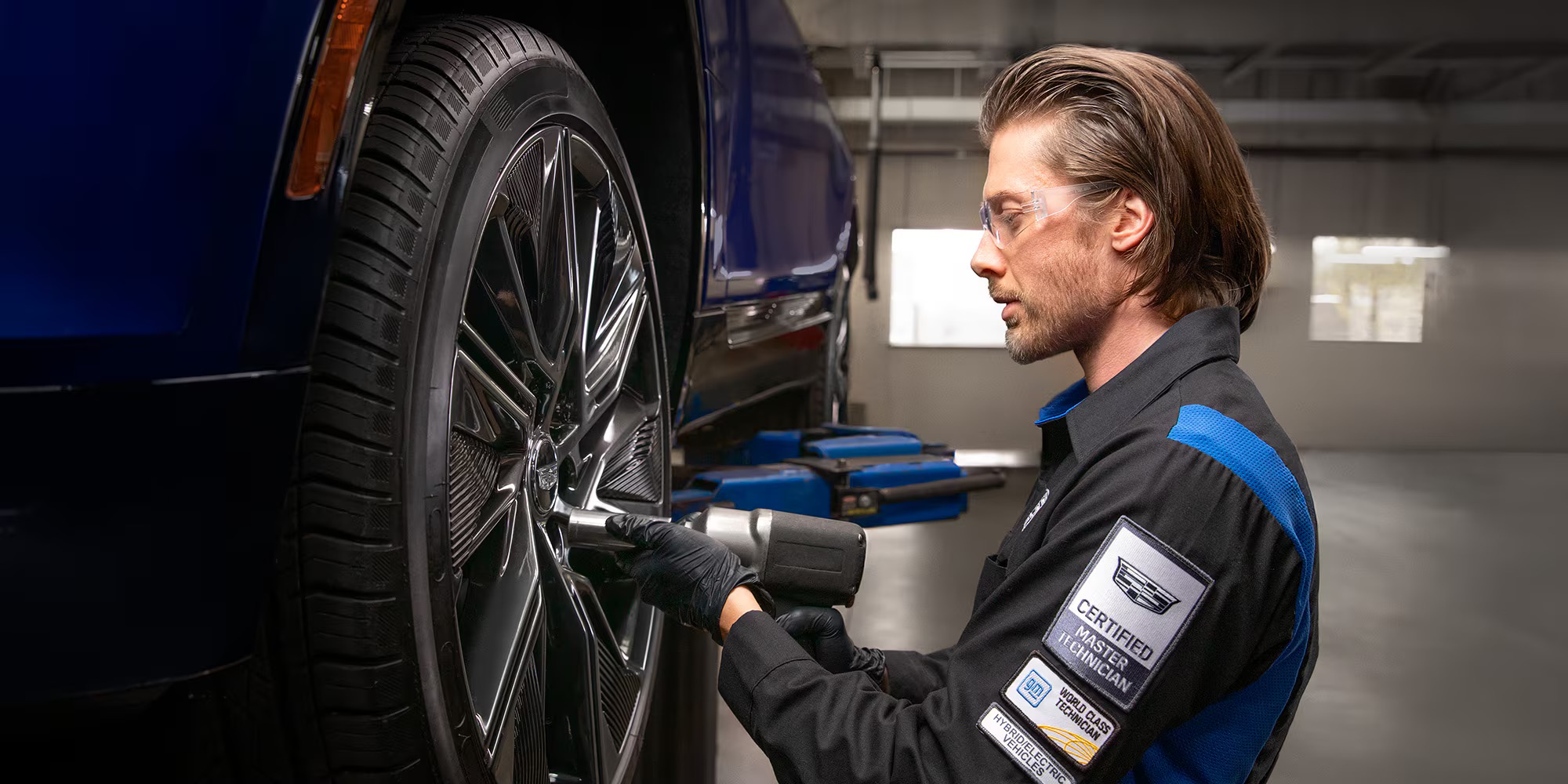
Cadillac Certified Service in Weyburn, sk
Cadillac brakes are engineered for precise, confident stopping power. When they start squealing or grabbing, something's wrong. Barber Cadillac's brake experts understand luxury vehicle brake systems completely. We use genuine parts that match your car's performance standards. Compromised brakes put your investment and safety at risk. Professional brake service keeps your Cadillac stopping like new. Schedule a brake service at Barber Cadillac, 1 Government Rd, Weyburn, SK, or call us at (306)-848-3611, or schedule an appointment online.

Brake Repair
FRequently ASked Questions
How do I know if my brakes need repair?
Pay attention to audible cues such as squealing or grinding, which are clear indicators that service is required. You may also feel changes in performance, including a soft brake pedal, vibrations, or the vehicle pulling to one side when stopping. A noticeable increase in the distance your vehicle needs to come to a complete stop is another critical sign that demands immediate attention.
How often should I have my brakes checked?
For optimal safety and performance, a professional brake inspection is recommended at least annually or approximately every 20,000 kilometres. It is always best to consult your vehicle's owner's manual for the specific maintenance schedule for your model. Driving in demanding conditions, such as city traffic or hilly terrain, may necessitate more frequent checks.
Why are my brakes making a squealing noise?
A high-pitched squealing sound typically serves as an alert that your brake pads have worn thin, causing the built-in wear indicator to contact the rotor. This noise can also be caused by an accumulation of rust or debris on the brake components after the vehicle has been parked. In some cases, glazing on the brake pads from high temperatures can also produce a similar sound.
What's the difference between brake pads and rotors?
Brake pads are composed of a high-friction material that is pressed against the rotors to slow the vehicle down. The rotors are the large metal discs that rotate with the wheels, providing the surface area for the pads to clamp onto. This interaction converts the vehicle's forward motion into heat, effectively bringing it to a stop.
How long do brake pads and rotors last?
The lifespan of brake pads generally falls between 40,000 and 100,000 kilometres, while rotors can last from 80,000 to 115,000 kilometres. These figures can change significantly depending on your personal driving habits and the typical road conditions you encounter. An aggressive driving style or frequent hauling of heavy loads will accelerate the wear on these essential components.
Why does my car pull to one side when braking?
If your vehicle veers to the left or right during braking, it often points to an issue within the brake system. This can be caused by a seized caliper that is not applying or releasing pressure correctly or unevenly worn brake pads. A compromised brake hose or an issue with the brake fluid can also create the imbalance that causes this dangerous behaviour.
Can I replace just the brake pads without replacing the rotors?
It is sometimes possible to replace only the brake pads, provided the rotors are still within their specified thickness and have a smooth, even surface. However, if the rotors display any signs of warping, significant grooving, or heat damage, they must be replaced at the same time as the pads. Installing new pads on a damaged rotor surface will reduce braking effectiveness and lead to premature wear.
Can I drive with a brake warning light on?
A brake warning light on your dashboard signals a potential fault in the system that requires your immediate attention. This light could mean anything from low brake fluid to a problem with the anti-lock braking system (ABS). For your safety, you should cease driving and arrange for a professional inspection as soon as possible.
How long does a brake repair usually take?
The time required for a standard brake service typically ranges from one to three hours. A straightforward brake pad replacement can be completed relatively quickly, often in about one hour per axle. More involved work, such as replacing rotors, calipers, or bleeding the brake lines, will naturally require additional time to complete correctly.